
Call Us Today!
(410) 302-9610
Understanding Chapter 7 Bankruptcy: Your Guide to Debt Relief
Thursday, October 20, 2022
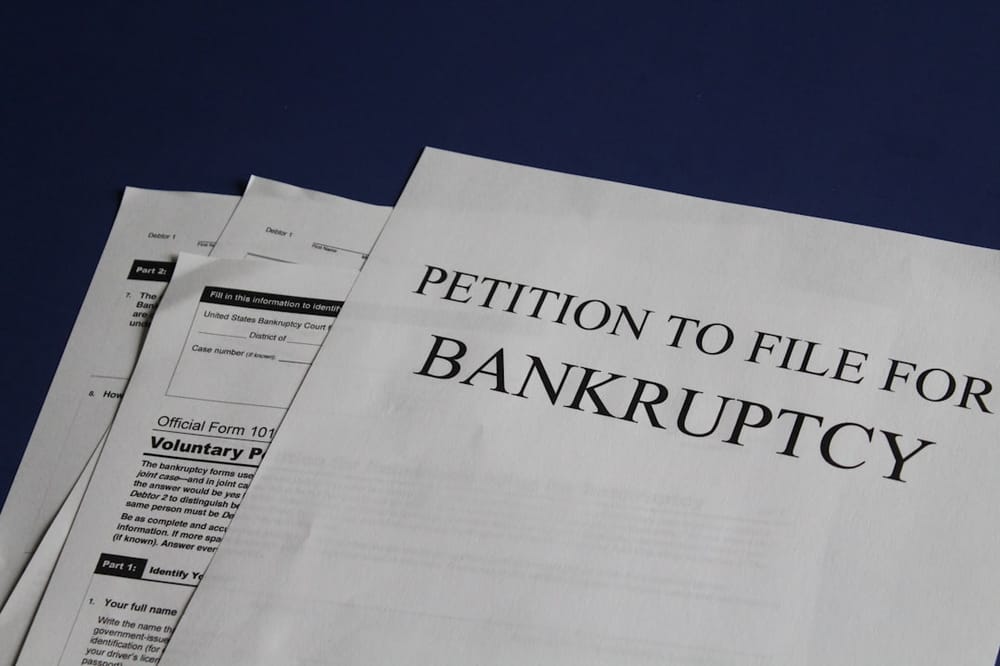
Are you drowning in debt and struggling to make ends meet? If so, you're not alone. Financial difficulties can happen to anyone, and when they do, it's essential to understand your options for relief.
Chapter 7 bankruptcy is one such option that can provide a fresh start for individuals facing overwhelming debt.
In this guide, we'll explore what Chapter 7 bankruptcy is, how it works, and whether it may be the right solution for you.
What is Chapter 7 Bankruptcy?
Chapter 7 bankruptcy, also known as "liquidation bankruptcy," is a legal process designed to eliminate most unsecured debts and provide a fresh financial start for individuals who are unable to repay their debts.
Unlike Chapter 13 bankruptcy, which involves a repayment plan, Chapter 7 bankruptcy typically results in the discharge of qualifying debts without the need for repayment.
How Does Chapter 7 Bankruptcy Work?
1. Eligibility:
Before filing for Chapter 7 bankruptcy, you must pass the means test, which compares your income to the median income in your state and determines if you have the means to repay your debts.
If your income is below the state median or you meet certain other criteria, you may be eligible to file for Chapter 7 bankruptcy.
2. Automatic Stay:
Once you file for Chapter 7 bankruptcy, an automatic stay goes into effect, halting most creditor actions, including collection calls, wage garnishments, and lawsuits.
This provides immediate relief from creditor harassment and gives you time to address your financial situation without additional pressure.
3. Appointment of a Trustee:
Upon filing, a trustee is appointed to oversee your case.
The trustee's role is to review your financial documents, liquidate any non-exempt assets, and distribute the proceeds to your creditors.
However, many Chapter 7 filers do not have significant non-exempt assets, allowing them to retain most or all of their property.
4. Discharge of Debts:
Once the trustee completes the liquidation process, typically within a few months, the court will grant a discharge of qualifying debts.
Debts that are commonly discharged in Chapter 7 bankruptcy include credit card debt, medical bills, personal loans, and certain other unsecured debts.
However, some types of debts, such as student loans, child support, and certain tax obligations, are generally not dischargeable.
Is Chapter 7 Bankruptcy Right for You?
Pros:
- Provides a fresh start by eliminating most unsecured debts.
- Offers immediate relief from creditor actions through the automatic stay.
- Does not require a repayment plan, unlike Chapter 13 bankruptcy.
- Typically allows filers to keep most or all of their property through exemptions.
Cons:
- May require liquidation of non-exempt assets.
- Does not discharge certain types of debts, such as student loans and tax obligations.
- Can remain on your credit report for up to ten years, impacting your credit score.
- May have long-term implications for future borrowing and creditworthiness.
Chapter 7 bankruptcy can be a powerful tool for individuals struggling with overwhelming debt, providing a fresh start and relief from creditor harassment.
However, it's essential to weigh the pros and cons and consider alternatives before filing.
Consulting with a knowledgeable bankruptcy attorney can help you understand your options and make informed decisions about your financial future.
If you're considering Chapter 7 bankruptcy or have questions about your debt relief options, we're here to help. Contact us to schedule a consultation with our experienced bankruptcy attorney J. Michael Broumas, Esq. Your path to financial freedom starts here.

J. Michael Broumas, Esq.
Maryland Bankruptcy Lawyer and the owner of Broumas Law Group LLC.
Here at Broumas Law Group, I'm committed to demystifying bankruptcy for those who need it most. I've seen firsthand how overwhelming debt can be, but I also know the relief and freedom that comes with a well-executed bankruptcy plan.
So, I encourage you to explore our blog, where I share strategies, insights, and the latest in bankruptcy law to help you navigate your path to a brighter financial future.

Navigation:
Broumas Law Group, LLC - 2026 All Rights Reserved
8370 Court Avenue, Ste. 203, Ellicott City, MD 21043
Privacy Policy